Fast manufacturing
PCB-patterned windings support design iteration and repeatable manufacturing.

PCB ELECTROMAGNETIC TECHNOLOGY
FluxMotion develops PCB-based electromagnetic machines for motion and energy. Actual PCB stators and physical motor prototypes support our development for robotic joints.

PRIMARY PRODUCT
180 W-Class PCB Axial-Flux Motor for Robotic Joints
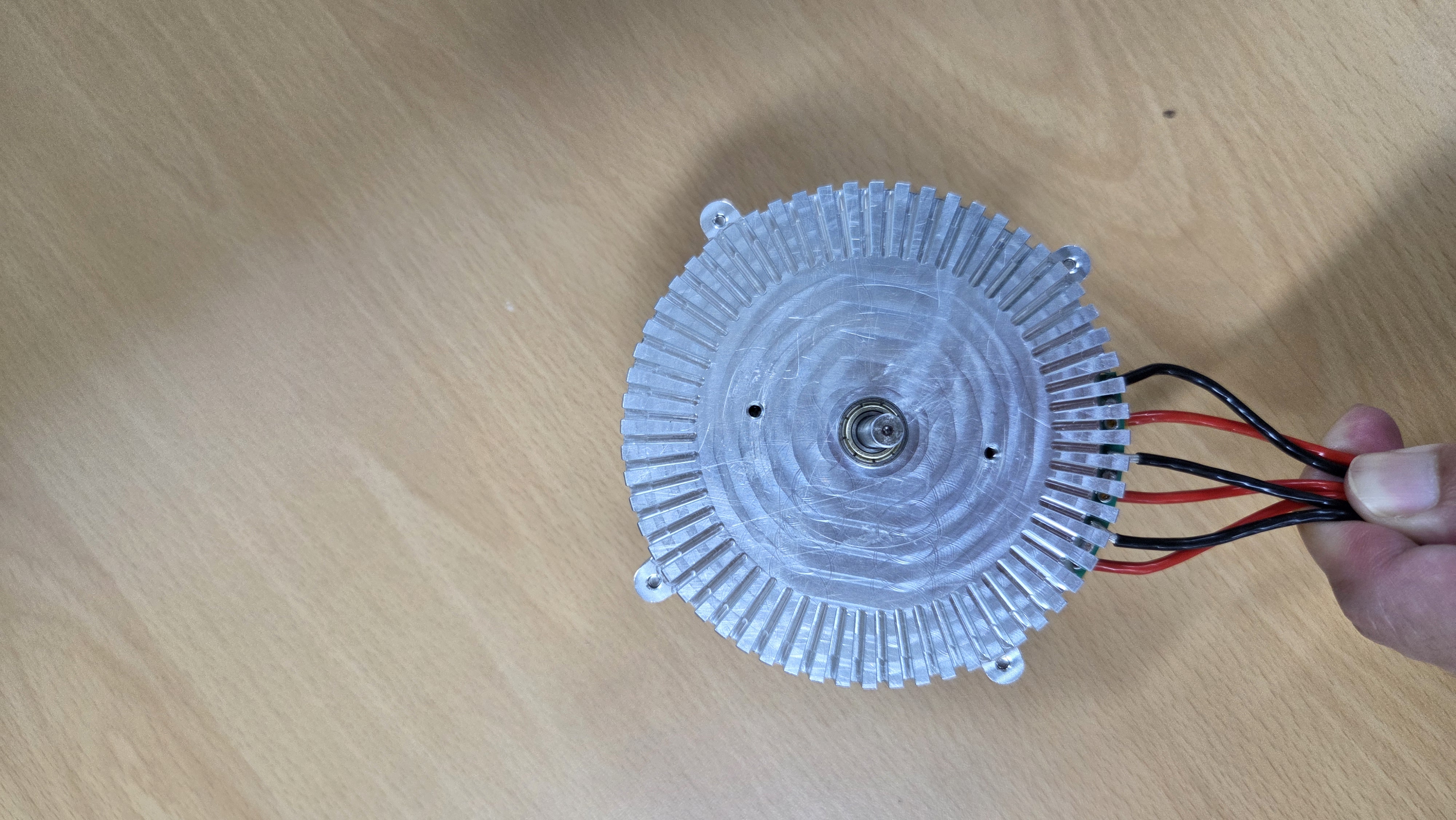
Our robotic-joint motor program combines a PCB stator, axial-flux architecture and thermal management. Integrated inductance technology addresses control characteristics and system integration within limited joint space.
180 W is a development target, not a validated rated output. Photographs show an actual PCB motor prototype, not a confirmed final J180 model.
Discuss a PoCBUILT HARDWARE
From printed windings to physical hardware. We have built PCB stators and motor prototypes to explore robotic-joint integration.
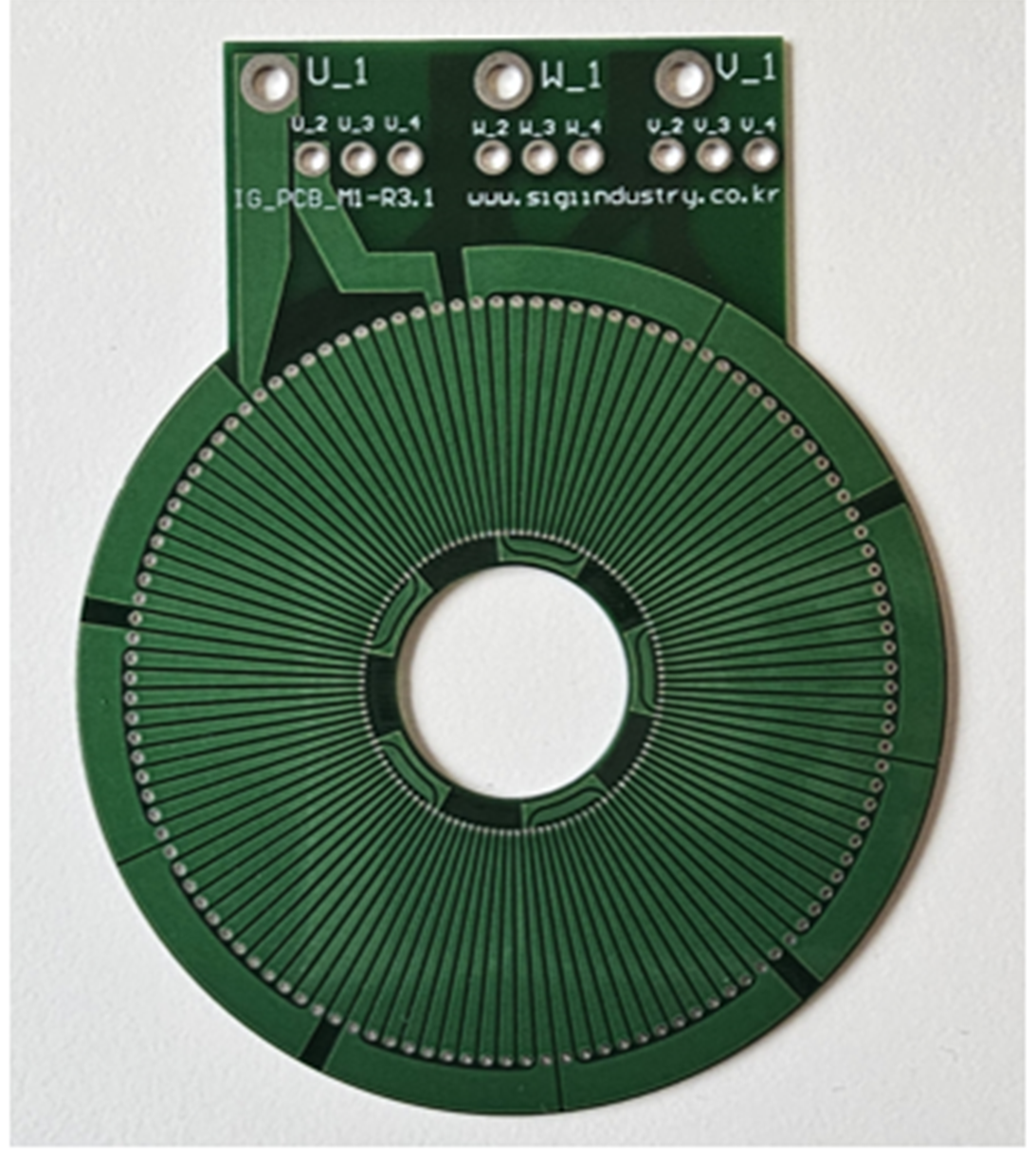
01 / PCB STATOR
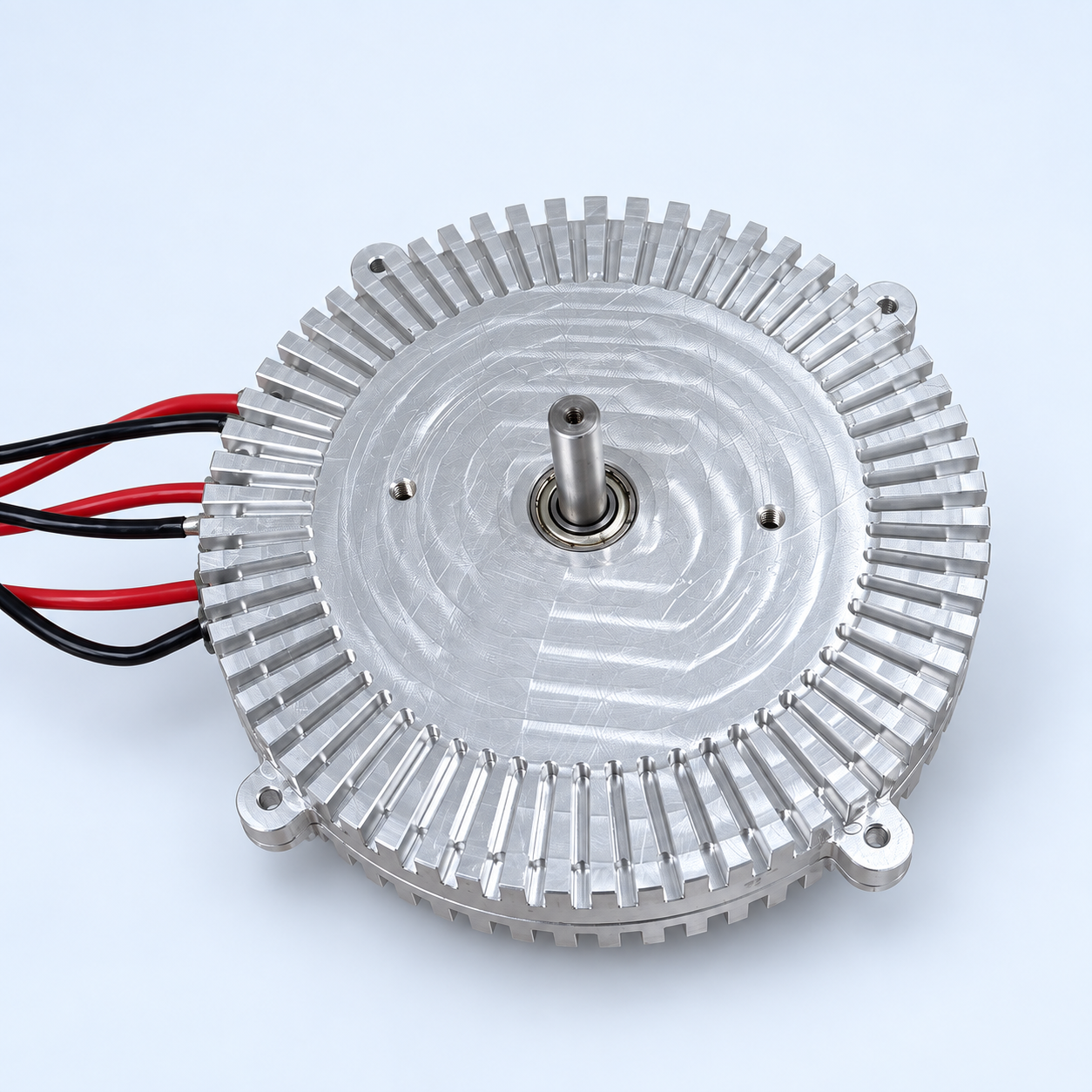
02 / MOTOR PROTOTYPE
APPLICATION DEVELOPMENT
Evaluation and integration around joint packaging and motion requirements.
PRINTED WINDINGS
Conventional wound coils are replaced by precision-patterned PCB conductors, enabling a thin, repeatable and highly integrated axial-flux architecture.
PCB-patterned windings support design iteration and repeatable manufacturing.
Planar windings and axial-flux architecture support thin packaging for compact joints.
Electromagnetic, current and thermal design are optimized toward application torque requirements.
Design addresses torque ripple and electromagnetic excitation for smooth rotation.
Robotics and collaborative robots are the primary focus, with potential extensions to HVAC, small fans, pumps, fluid-transfer systems and premium appliances.
Manufacturing efficiency, high torque and low vibration are development objectives. Comparative performance is evaluated through defined test conditions and measured results.
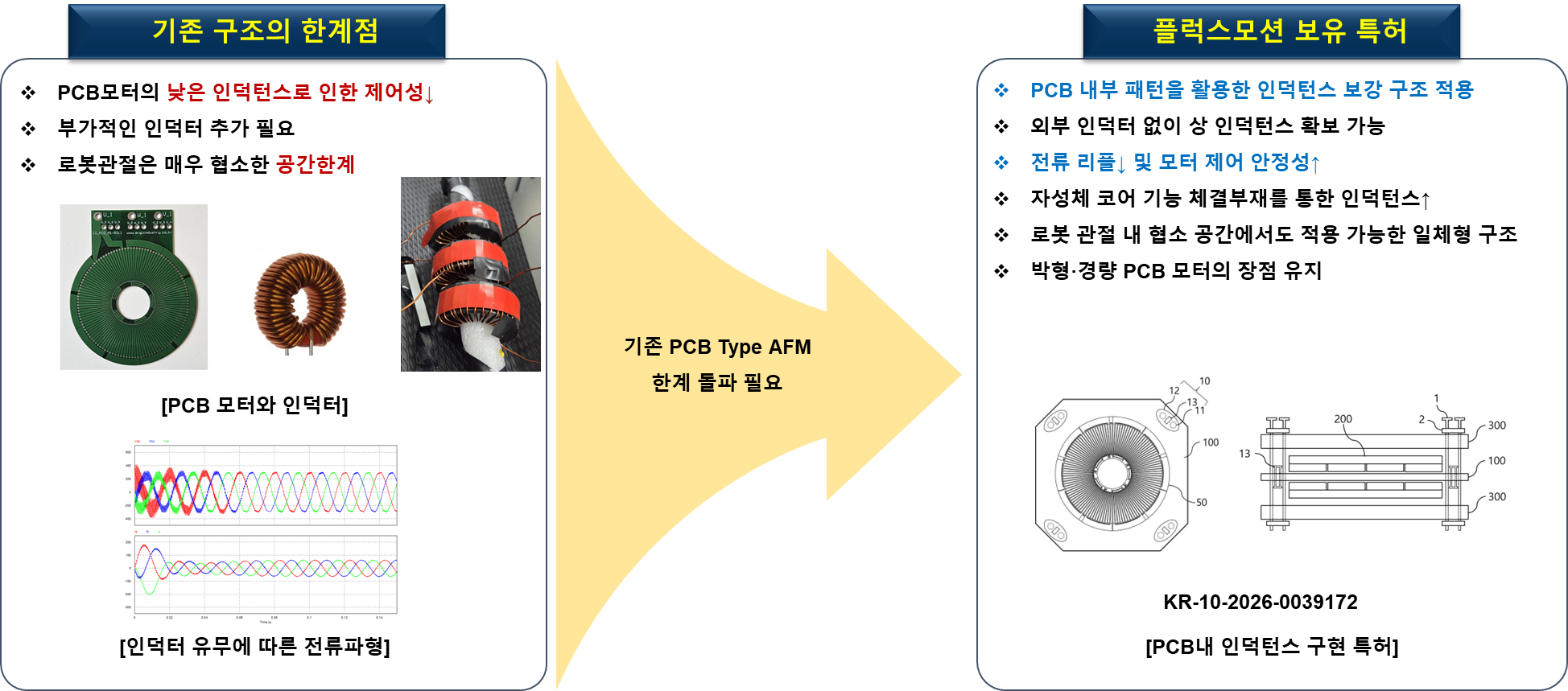
LOW INDUCTANCE
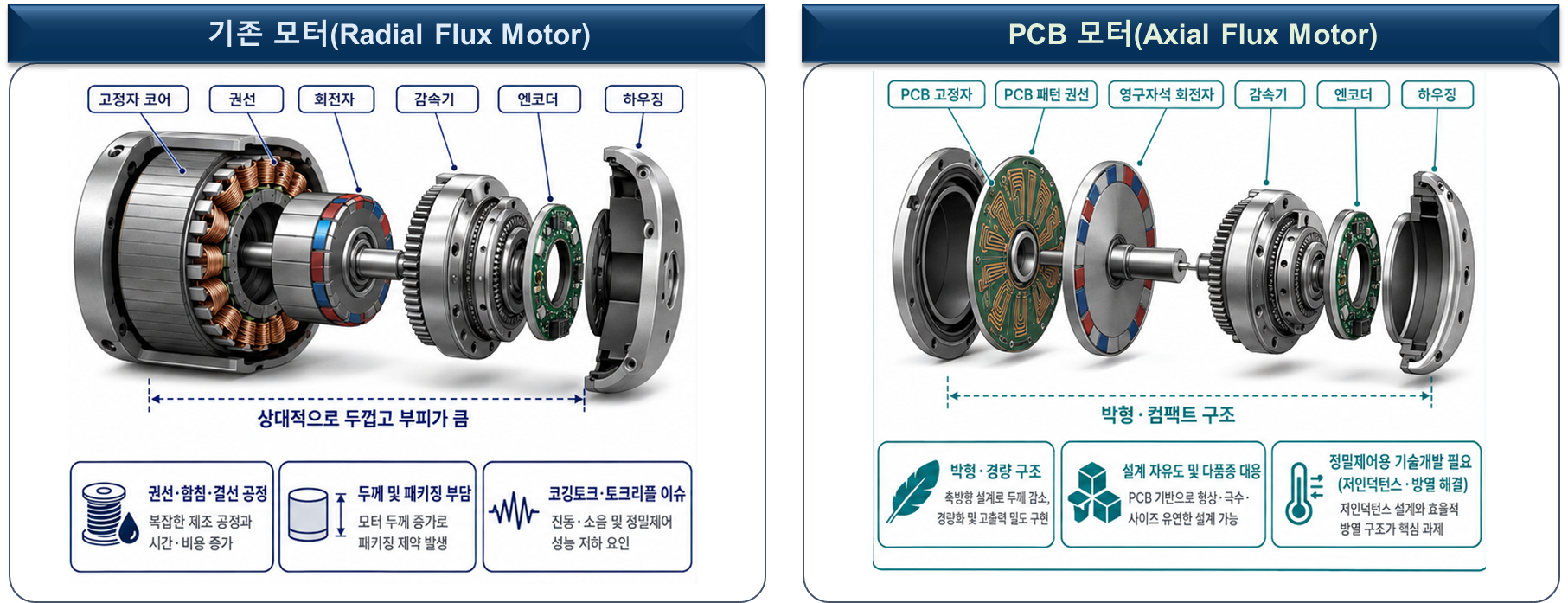
Low phase inductance can increase current ripple and complicate control. Adding external inductors introduces components and volume, reducing the packaging advantage in a compact robotic joint.
FLUXMOTION TECHNOLOGY
Addressing low inductance while preserving the thin and lightweight advantages of PCB motors. The technology uses PCB patterns and an integrated fastening structure with a magnetic-core function.
Diagram shows the technology principle. The extent of improvement is subject to validation for each design and operating condition.
PRIMARY APPLICATIONS

Joint actuation within compact humanoid structures.
Motor evaluation and integration for application requirements.
Collaborative development toward actuator and joint-module integration.
Robot images are application concepts. These are motor and integration development directions, not an offer of a completed actuator.
ENGINEERING & VALIDATION
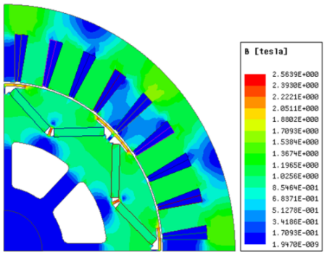
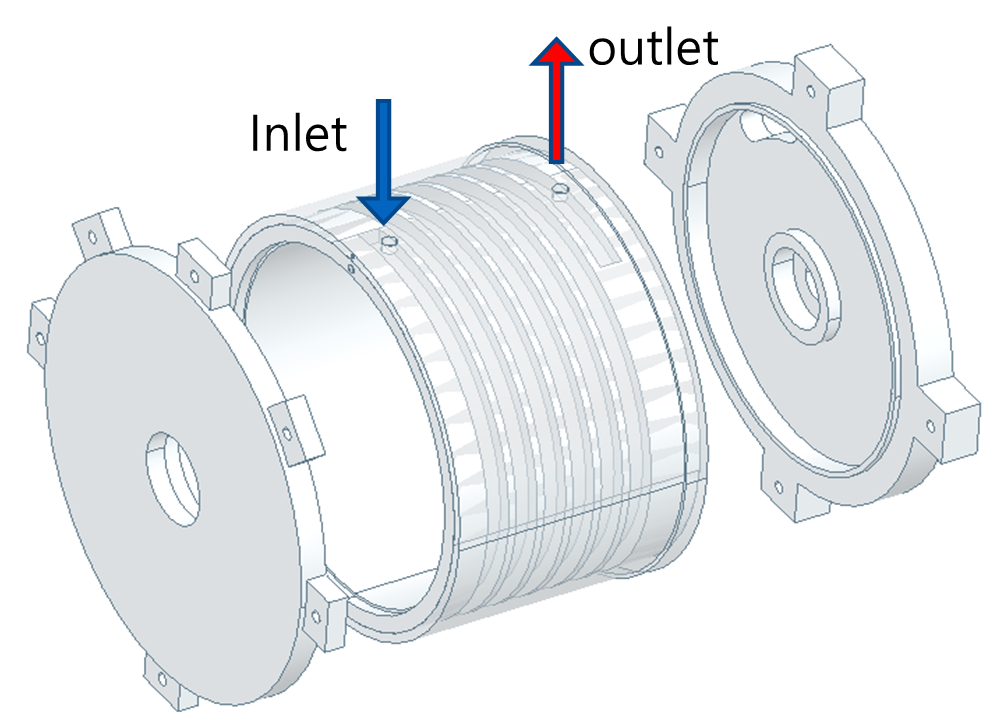
Analysis examples from the company presentation; not final J180 validation results.
Explore research & developmentSECONDARY TECHNOLOGY
A development concept that harvests a portion of ceiling-HVAC fan rotation to provide low-power energy for wireless IoT sensors.
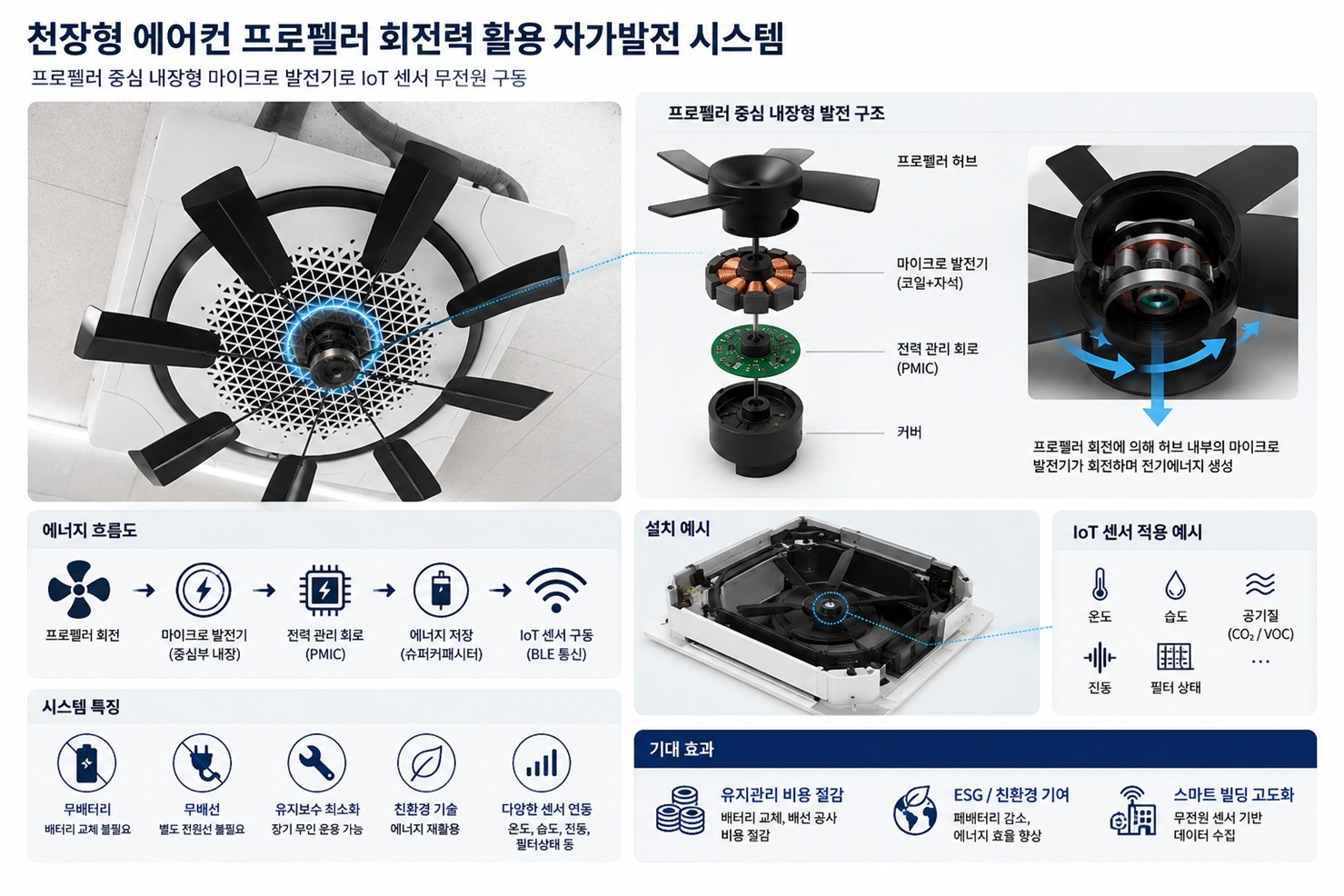
At low fan speed, a speed increaser may be needed. Generator cogging torque and mechanical resistance can increase fan loading; development focuses on a low-cogging PCB generator and a low-loss transmission.
Goals: battery-free sensor power and compact integration. Sensor examples: temperature, humidity, vibration, air quality and filter condition. Output and the impact on fan loading require validation.
TWO DIRECTIONS
Current focus: robotic-joint motors
Technology extension: energy harvesting
FLUX + MOTION
FluxMotion represents the movement of electromagnetic flux. Our name reflects a vision to create new motion and energy solutions through electromagnetic technology.
ENGINEERING FOUNDATION
FluxMotion is a young company built on years of motor and electromagnetic engineering experience across automotive, robotics, generators, mobility and power electronics.
PCB axial-flux motor validation and inverter control software development for robotics.
Dual-winding EPS for ASIL-D requirements; 5/10 kW hydrogen-bus fan motors; variable-flux hub motors; 24 V BLDC starters; electric agricultural platforms.
APU PMSG design, vehicle-generator analysis, 3 kW-class generators and marine DC microgrids.
DC 900 V-class high-temperature lightweight shielded cable, WBG low-loss drives, coreless GMR current sensors and thermal management.
The following is R&D experience of the founder before incorporation or through related research activities, not a portfolio of projects delivered by FluxMotion. Dates indicate the corresponding project periods.
Development of DC 900 V-Class Non-Braided, High-Temperature, Lightweight Shielded Cable for Future Mobility
Development of Cooling Module Package Technology for Hydrogen Commercial Vehicles under Severe Operating Conditions
Development of a High-Safety EPS Motor System with Dual Windings for ASIL-D Requirements
Development of Thermal Management Technology for Improved Efficiency and Market Competitiveness of Hydrogen Electric Buses
Development of an Electrically Driven Forage Harvester Platform for Multiple Agricultural Operations
Development of a 3 kW-Class Generator with a Hybrid Spoke Rotor
Development of a Coreless GMR Current Sensor for Electric-Drive CUV Applications
Development of Common Technologies for Low-Loss WBG Device Drives
Development of a 24 V BLDC Starter and Control System for Commercial Vehicle Idle-Stop Applications
Development of a 500 hp-Class Marine DC Microgrid System
Development of a Variable-Flux Hub Motor for Personal Mobility
PCB Axial-Flux Motor Validation and Inverter Control Software Development for Robotics
Permanent Magnet Synchronous Generator (PMSG) Design for K2 Auxiliary Power Unit
Electromagnetic Analysis of Vehicle Generator
K2 Main Battle Tank APU-PMSG Design
5 kW and 10 kW Cooling-Fan Motor Design for Hydrogen Electric Buses
500 W-Class Hairpin Motor Design
Electromagnetic Analysis of Current Sensors
COMPANY
A PCB electromagnetic technology company. Our current focus is PCB axial-flux motors for robotic joints, with technology extensions into motion and energy.
CONTACT FLUXMOTION
For robot, motor and actuator companies, technology partners and investors.
slowindgo@gmail.com ↗